Recorded November 22, 2026
Space & AstronomyReported finding
SpaceX Lofts Classified Space Force Payload on 11th-Flight Booster
A Falcon 9 launched the classified USSF-317 mission from Vandenberg at 11:20 p.m. EST Nov. 20. Experts suspect Starshield satellites — but the payload, and plenty else, stays officially unknown.
By James Calloway3 min read597 words
In brief
- Falcon 9 launched classified USSF-317 for the Space Force on Nov. 20 at 11:20 p.m. EST from Vandenberg
- Booster B1100 landed on a drone ship 8.5 minutes after liftoff — its 11th launch and landing
- USSF-317 was the 121st Falcon 9 launch of 2026 and the third Space Force mission in November
- About 70% of 2026 Falcon 9 flights served Starlink, which now exceeds 11,000 satellites
- Falcon 9 flew 165 times in 2025; SpaceX plans to retire it and Falcon Heavy for Starship
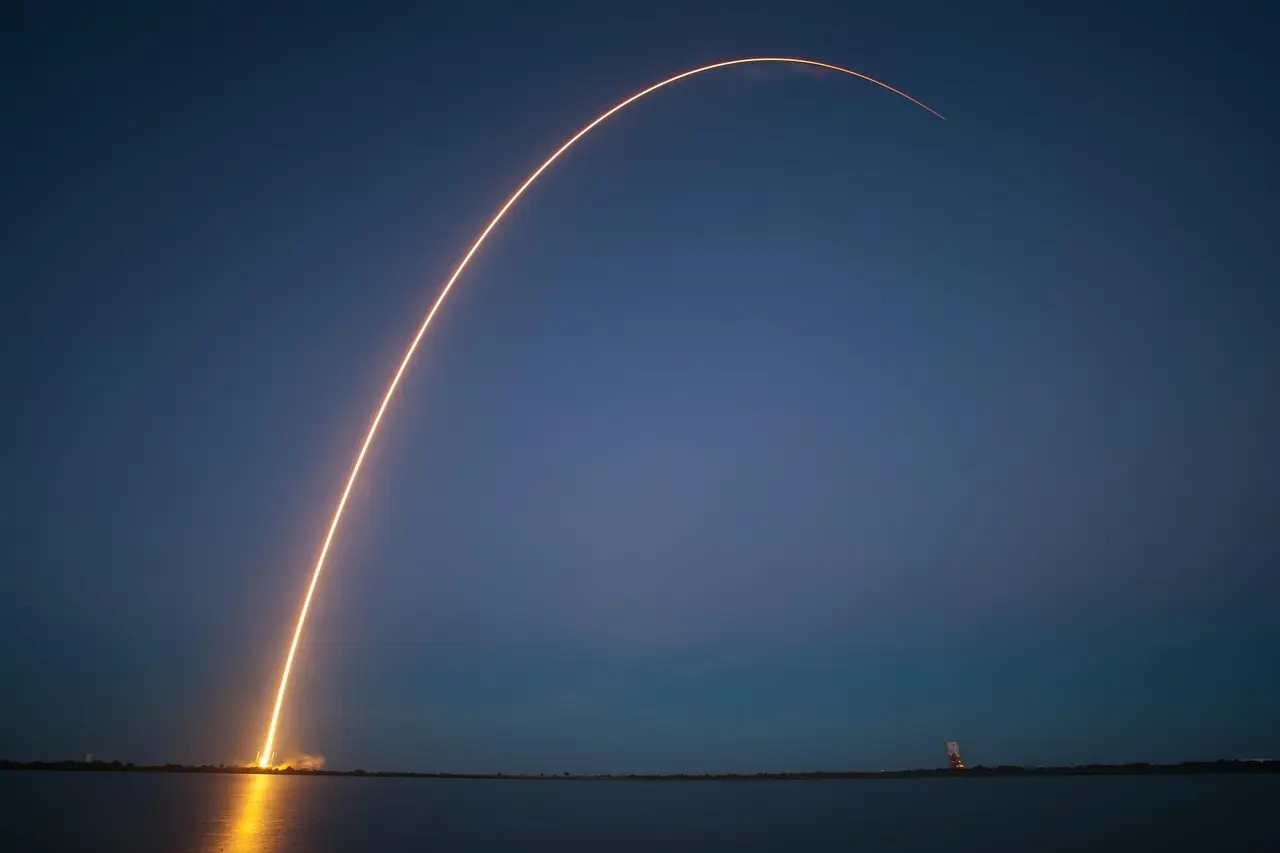
A Falcon 9 rocket carrying a classified U.S. Space Force payload lifted off from Vandenberg Space Force Base on California's central coast at 11:20 p.m. EST on Nov. 20 (0420 GMT on Nov. 21). The mission, designated USSF-317, sent a mystery payload to orbit — and nobody outside a small circle is saying what it is.
That's the story. Here's what we actually know, and, just as importantly, what we don't.
What happened on the launch pad?
The Falcon 9's first stage came back to Earth roughly 8.5 minutes after liftoff, touching down in the Pacific Ocean on the SpaceX drone ship "Of Course I Still Love You." The booster, designated B1100, has now flown and landed 11 times. Reuse is routine now. Eleven flights per booster is a number that would have sounded absurd a decade ago.
Then the curtain fell. SpaceX ended its launch webcast just after that touchdown, so viewers never saw the Falcon 9's upper stage power its way to orbit. That's standard practice for classified national security missions — and it means independent confirmation of the payload's fate doesn't come from the broadcast.
What is USSF-317 carrying?
Nobody will say. USSF-317 is classified, so the upper stage's cargo and its destination remain officially unknown.
However — and note the hedge, because this is speculation, not confirmation — some experts think the mission may be hauling a batch of SpaceX's Starshield satellites to low Earth orbit. Starlink's government-focused sibling. The suspected customer program is the Space Force's Space Based Sensing and Targeting portfolio, which helps the military keep tabs on potential targets around the world. That is tracking and targeting from orbit, in plain English.
Some experts think. May be hauling. The qualifiers matter. Until the Space Force or SpaceX says more, the Starshield theory is informed guessing.
How busy is SpaceX's launch schedule?
USSF-317 was the 121st Falcon 9 launch of 2026 and the third mission SpaceX has flown for the Space Force in November alone. Military launches, then, are a real but modest slice of the manifest.
The dominant slice? Starlink. About 70% of this year's Falcon 9 missions have gone toward building out SpaceX's low Earth orbit internet constellation, which currently consists of more than 11,000 satellites. Read that number again. Eleven thousand.
The Falcon 9 flew 165 times in 2025, an extraordinary tempo for any orbital rocket in history. But the workhorse is on its way out. SpaceX plans to retire both it and the Falcon Heavy in favor of Starship, the fully reusable megarrocket. Starship has already deployed 26 of SpaceX's next-generation Starlink V3 satellites across its two most recent test flights.
What does this change for the Space Force?
Practically speaking, not much tonight. If the Starshield guess is right, the military gains more sensing capacity in low orbit — more eyes, more coverage. If it's wrong, the Space Force still got whatever it paid for into space, and the public record stays blank. Classified missions are like that.
The bigger shift is structural. The Space Force keeps buying rides from a single dominant launch provider, whose own rocket line is heading for retirement. What happens to military access to orbit during that transition to Starship is a question nobody in this launch broadcast answered.
For now: payload up, booster down, webcast cut. Check back when the experts dig through the orbital tracking data — or when the government declassifies it, whichever comes first.
via space.com (Source)
More from James Calloway
Show full bio
Staff writer covering regulation, policy and their impact on general science news at SciBeat.
570 articles
Nearby plates
- SpaceX launches classified USSF-432 mission from California
- SpaceX's 2nd Classified Space Force Launch in 6 Days Lifts Off
- Starship reaches orbit, but booster explosion ends SpaceX double-catch bid
- Starship Aims for First-Ever Catch After Booster Abort Marries Flight 15
- SpaceX Catches Starship From Orbit for First Time in Texas