Plate Nº 25 · recorded November 18, 2026
Earth & ClimateReported finding
The Carbon Bubble May Be Far Smaller Than Feared: $99.3 Billion
The carbon bubble may be far smaller than feared: new research values it at $99.3 billion, or 5.5% of major U.S. fossil-fuel firms' market value.
By James Calloway4 min read723 words
In brief
- The estimated carbon bubble equals about $99.3 billion, or 5.5% of the market value of the largest U.S.-listed fossil-fuel companies with traded options.
- Researchers analyzed 31 climate policy signals from 1996 to 2023, including 27 UN COP conferences.
- The study was published in Sustainable Futures by researchers from UTS Business School and Macquarie Business School.
- Australia is one of the world's major exporters of coal and LNG, making the findings directly relevant to its economy.
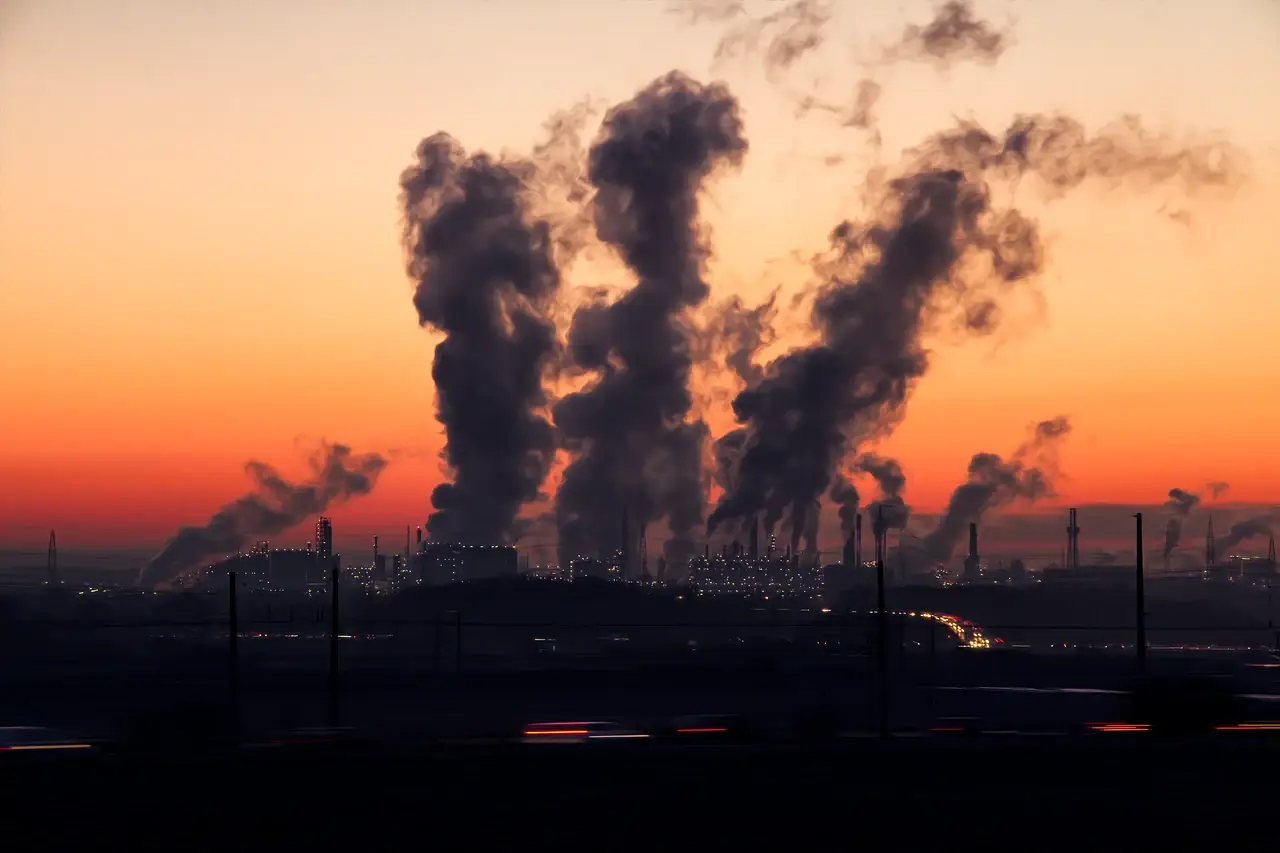
The so-called carbon bubble amounts to roughly $99.3 billion — about 5.5% of the current market value of the largest U.S.-listed fossil-fuel companies with traded options. That is the headline finding of new Australian research, and it lands well below the apocalyptic figures that have circulated in this debate for a decade.
The study, published in the journal Sustainable Futures, comes from Dr. Mona Mashhadi Rajabi and Professor Martina Linnenluecke at the Center for Climate Risk and Resilience, University of Technology Sydney (UTS) Business School, working with Professor Tom Smith and Dr. Jianlei Han of Macquarie Business School.
What is a carbon bubble, exactly?
The idea is straightforward. If governments tighten climate policy, or if cleaner energy simply outcompetes coal, oil and gas, some fossil-fuel reserves and infrastructure could lose value. Companies would see falling revenues. Investors would take losses. Banks and other financial institutions could find themselves exposed to risks they never properly priced.
The bubble question is whether markets have already accounted for that danger — or whether company valuations still float on assumptions that stronger policy will never arrive.
How did the researchers measure it?
The team examined 31 major climate policy signals between 1996 and 2023. These included:
- 27 United Nations climate conferences (COP meetings)
- Four significant policy announcements in the United States and the European Union
Using data from stock and options markets, they estimated company valuations under two scenarios: business as usual, with no extra climate-policy constraints, and one that builds in climate-related policy risk. The gap between the two is the estimated bubble.
The result suggests markets have already absorbed part of the risk. Some of it, anyway. Not all of it.
What does this change for investors?
Not as much as you might think. The findings do not say fossil-fuel companies are financially safe. The authors are explicit on this point: a smaller estimated bubble should not be mistaken for an absence of risk.
The energy transition is still reshaping the economics of fossil fuels. Some projects may become less profitable. New investments face greater uncertainty. And assets with long operating lives — think multidecade infrastructure — are particularly exposed if demand or policy shifts mid-life.
"The findings challenge the assumption that stronger climate policies must automatically lead to substantial financial losses for every fossil-fuel company," Mashhadi Rajabi and Linnenluecke said.
Companies are not equally exposed, they argue. Financial outcomes depend on the quality of assets, investment decisions, the ability to adapt, and how effectively a firm prepares for a changing energy market. A company that recognizes transition risks early and adjusts its strategy may outperform one that assumes current conditions will last indefinitely.
That sounds reasonable. It is also, so far, a hypothesis built on one modeling approach over one market. The paper looks at U.S.-listed companies with traded options, which narrows the field. And risks will shift as carbon policies grow more or less stringent — today's 5.5% is a snapshot, not a ceiling.
Why Australia is watching closely
The stakes are unusually high for Australia, one of the world's major exporters of coal and liquefied natural gas. The value of its fossil-fuel industries rides on international demand, which the country does not control.
The researchers argue Australia should look beyond current export revenues when making future energy-investment decisions. A project that looks commercially attractive today may face a very different economic outlook over its operating life. Equally, assuming every fossil-fuel asset will rapidly lose value could produce decisions that ignore real differences in project economics.
The caveats worth keeping
For policymakers, the study reinforces the value of clear, predictable climate policy. For investors and financial institutions, it is a nudge to look past headline estimates of stranded assets and dig into individual companies.
Climate-related financial disclosure, the authors note, can help investors distinguish between firms preparing for the transition and those still heavily exposed to changing market conditions.
The honest reading of this paper is modest, not reassuring. Markets have priced in some climate risk, previous estimates of catastrophic overvaluation look overstated, and significant transition risks remain. What matters now, the researchers conclude, is whether companies, investors and governments make decisions based on the energy markets of the future rather than the conditions of the past.
via phys.org/rss-feed/ (Source)
More from James Calloway
Show full bio
Staff writer covering regulation, policy and their impact on general science news at SciBeat.
473 articles
Nearby plates
- Fossil Fuel Emissions Dip in 2026, But Not Thanks to Green Energy
- Australia's Fossil Fuel Exports to Stay Twice Its Domestic Emissions
- New Study Ties Major Fossil Fuel Emitters to Extreme Weather Risk
- Global Fossil CO2 Set to Fall 0.4% in 2026 – But Wars, Not Clean Energy, Drive It
- Carbon markets could fund climate adaptation, but barriers remain