Recorded November 19, 2026
Space & AstronomyReported finding
Vulcan failure points to BE-4 fuel supply after 40-satellite loss
ULA’s preliminary finding points to inadequate fuel flow to two BE-4 engines, not weak engine performance, after Vulcan’s fifth flight failed and lost 40 Amazon Leo satellites.
By Nathan Brooks3 min read695 words
In brief
- Nov. 15: Vulcan Centaur’s fifth flight failed from Florida’s Space Coast, losing 40 Amazon Leo internet satellites.
- Nov. 18: ULA cited inadequate fuel supply to the first-stage BE-4 engines, not engine performance, as a preliminary indication.
- October 2024 and February: SRB nozzles burned through about 30 seconds into Vulcan’s second and fourth flights; both payloads reached orbit.
- January 2024 to Nov. 15: Vulcan had issues on three of five flights, with only Nov. 15 ending in failure.
- The FAA oversees the investigation; Vulcan’s earlier grounding after the February SRB issue lasted about nine months.
What caused the Nov. 15 launch failure?
Forty Amazon Leo internet satellites were lost when Vulcan Centaur’s fifth flight failed from Florida’s Space Coast on Sunday, Nov. 15.
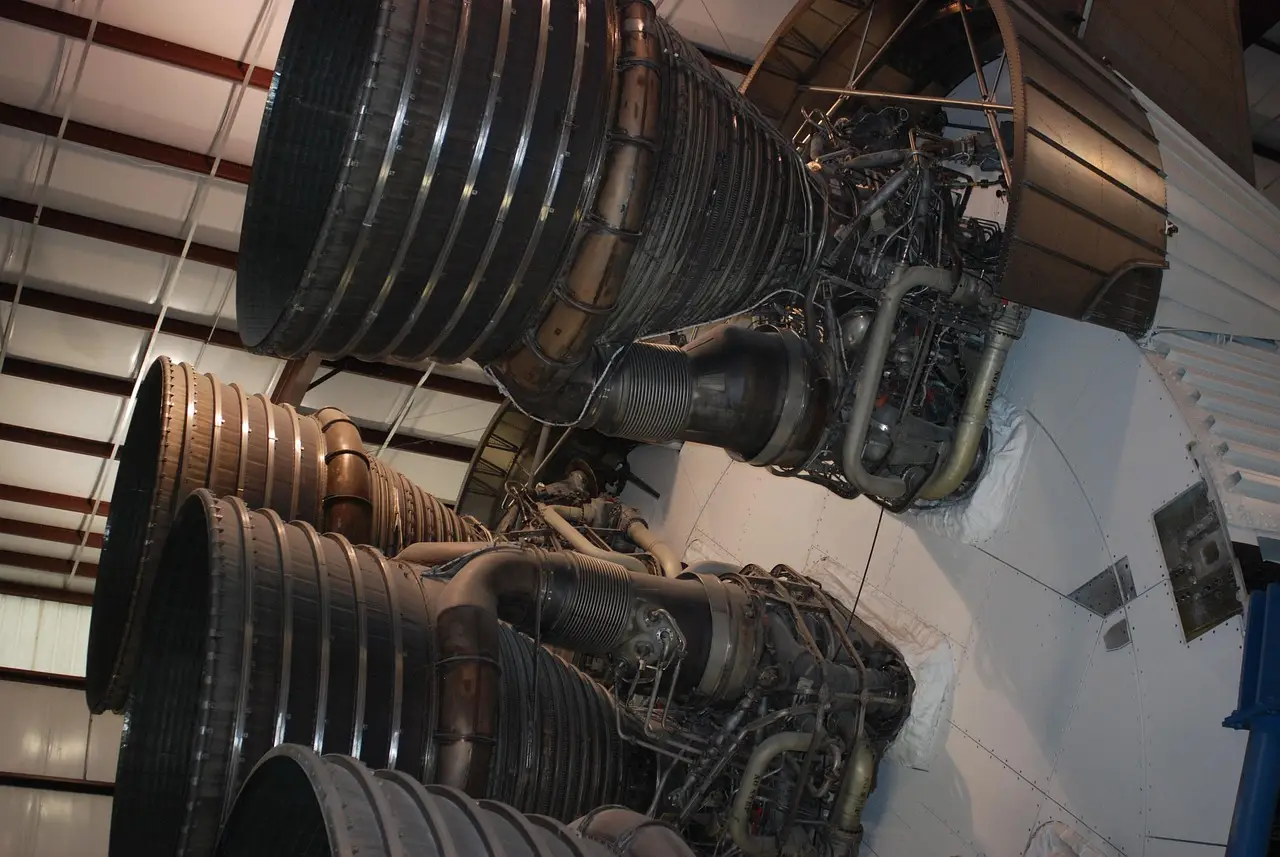
United Launch Alliance (ULA) traced the failure to Vulcan’s first stage in the two-stage rocket. The booster lifts the rocket from the pad, while the Centaur V upper stage sits above it. Its Nov. 18 update narrows the suspected problem to inadequate fuel supply, rather than the performance of the two BE-4 engines.
“While work remains to determine cause, preliminary indications are that the low booster thrust was the result of inadequate fuel supply from the vehicle to the BE-4 engines, not from the performance of the engines,” ULA wrote in the update. Low thrust means the engines produced less forward push than expected.
The statement separates a fuel-supply issue from an engine-performance issue without establishing the final cause. It does not identify the component or conditions behind the inadequate supply.
Which parts seemed to perform well?
ULA’s follow-up analysis supports its initial assessment of the rocket’s other major systems. The company said all six solid rocket boosters and the Centaur V upper stage seemed to perform well on Sunday, and further analysis strengthened that conclusion.
The six solid rocket boosters, commonly called SRBs, are separate rocket motors that add thrust. The Centaur V is the upper stage, the section carried above the first-stage booster, and it uses a different engine, the RL-10.
That distinction narrows the apparent problem to the first stage’s two BE-4 engines and the fuel supplied to them. These observations remain preliminary because ULA’s cause investigation is still open.
What happened on Vulcan’s two earlier flights?
Vulcan’s second and fourth flights launched in October 2024 and February, respectively. On both flights, an SRB nozzle burned through and fell off about 30 seconds into flight.
A nozzle is the opening through which a rocket engine directs exhaust. Despite the separation on each flight, Vulcan overcame the problem and delivered its payload—the mission cargo—to orbit both times.
After the February flight, ULA and Northrop Grumman, which builds the SRBs, tweaked the nozzle design. Sunday’s nominal, or expected, performance suggests that fix worked, though the assessment still rests on the data from one flight.
Why does this matter to Blue Origin?
Blue Origin, Jeff Bezos’ aerospace company, builds the BE-4. The preliminary fuel-supply finding therefore offers some reassurance for the company because it points away from a problem with engine performance.
Two BE-4 engines power Vulcan’s first-stage booster. They also serve a key role in Blue Origin’s New Glenn rocket, which has seven or nine BE-4 engines in its first stage, depending on the version.
New Glenn faces a separate problem. The rocket exploded during a test on May 28, and Blue Origin is working to return it to flight. That test issue remains separate from Vulcan’s fuel-supply investigation.
What does Vulcan’s flight record show?
Vulcan debuted in January 2024 as the successor to ULA’s Atlas V rocket. By Nov. 15, it had experienced issues on three of five flights, although Sunday’s failure was the only one of those five that ended in mission failure.
The earlier two issues involved SRB nozzles on the second and fourth flights. Sunday’s issue involved low booster thrust, which ULA’s preliminary findings linked to inadequate fuel supply to the BE-4 engines.
How long will Vulcan remain grounded?
Vulcan spent about nine months out of action after the February SRB issue. Its current grounding has no announced end date because the duration depends on what the investigation finds.
The U.S. Federal Aviation Administration (FAA) oversees ULA’s failure investigation. The preliminary finding does not establish a final cause, and no timetable for a return to flight has been announced.
ULA’s Nov. 18 update therefore offers the clearest explanation so far: low booster thrust appears to have resulted from inadequate fuel supply, not weak engine performance. The final cause and grounding duration remain unresolved.
via space.com (Source)
More from Nathan Brooks
Show full bio
Market editor covering companies, deals and strategy in general science news at SciBeat.
581 articles
Nearby plates
- ULA Loses Vulcan Rocket and 40 Amazon Satellites, Grounding a Key US Launcher
- Vulcan Centaur Returns to Flight With 40 Amazon Leo Satellites
- Vulcan rocket's first total failure destroys Amazon satellites
- ULA Vulcan Rocket Fails in Flight, Stranding Amazon Satellites
- Vulcan Returns to Flight Nov. 13 with First Amazon Leo Payload